In today's rapidly evolving educational landscape, the importance of hands-on learning activities cannot be overstated. These engaging experiences transform passive listeners into active participants, fostering a deeper understanding and appreciation for the subjects they explore. By directly interacting with materials and concepts, children develop critical thinking skills, problem-solving abilities, and a lifelong love for learning. In this blog post, we'll delve into the myriad benefits of hands-on learning and why it's an essential component of a well-rounded education.

What is Hands-On Learning?
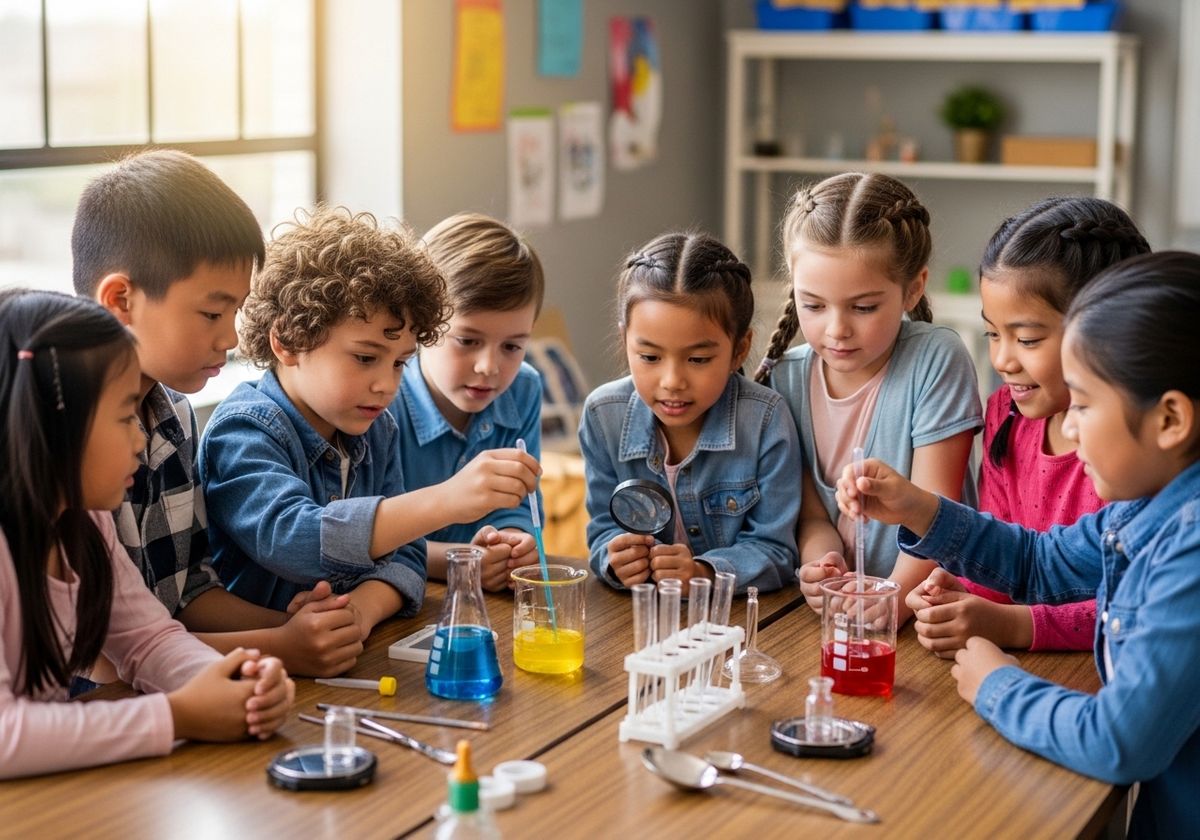
Hands-on learning, at its core, is an educational approach that emphasizes active involvement. Instead of simply reading or hearing about a topic, children engage with it directly through experiments, projects, and real-world applications. This type of learning stimulates multiple senses, making the learning process more memorable and impactful. Whether it's building a model volcano, conducting a science experiment, or creating a piece of art, hands-on activities transform abstract concepts into tangible realities.
Benefits of Hands-On Learning
The advantages of hands-on learning extend far beyond the classroom. Here are some key benefits:
Enhanced Understanding: When children manipulate objects and conduct experiments, they develop a deeper, more intuitive understanding of the subject matter.
Improved Problem-Solving Skills: Hands-on activities often present challenges that require children to think critically and creatively to find solutions. This builds resilience and adaptability.
Increased Engagement: Active participation keeps children engaged and motivated, making learning more enjoyable and effective.
Development of Fine Motor Skills: Activities like building, drawing, and crafting help refine fine motor skills, which are essential for writing and other important tasks.
Fosters Creativity: Hands-on learning encourages children to think outside the box and explore new ideas, fostering creativity and innovation.
Hands-On Learning Activities at Home
Incorporating hands-on learning into your child's home environment is easier than you might think. Here are a few ideas:
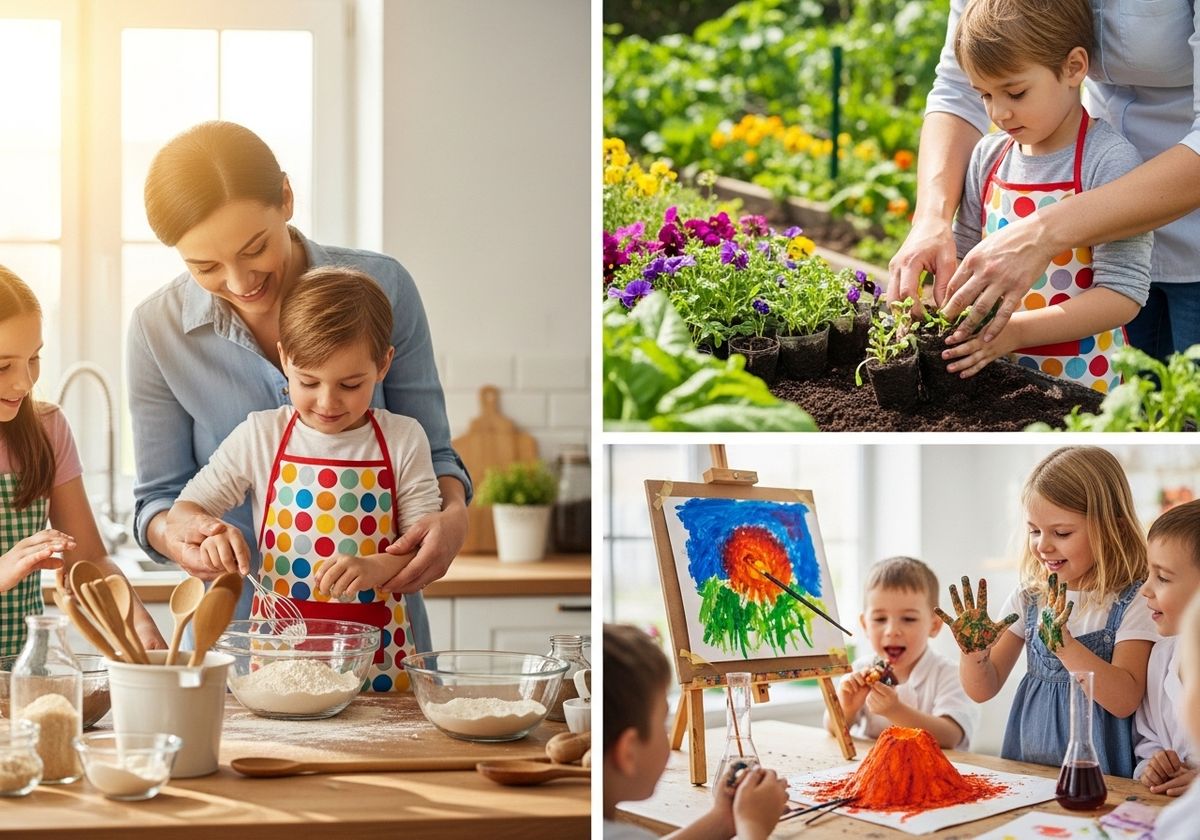
Cooking and Baking: Measuring ingredients, mixing batter, and decorating cookies are all great ways to learn about math and science while creating something delicious.
Gardening: Planting seeds, watering plants, and observing growth teaches children about the natural world and the importance of patience.
Arts and Crafts: Painting, drawing, sculpting, and building projects allow children to express their creativity and develop fine motor skills.
Science Experiments: Simple experiments like making slime or building a volcano can spark curiosity and make learning about science fun.
Choosing the Right Daycare or Childcare
When selecting a daycare or childcare provider, it's essential to consider their approach to learning. Look for programs that prioritize hands-on activities and provide opportunities for children to explore, experiment, and create. A nurturing and stimulating environment will help your child thrive and develop a lifelong love for learning.
Hands-on learning activities are essential for fostering curiosity, independence, and school readiness. By engaging children's senses and encouraging active participation, these experiences promote a deeper understanding of concepts and cultivate essential skills. At A New Generation Child Care, we are dedicated to providing exceptional care and building lasting relationships with families, ensuring happy childhoods through personalized attention and comprehensive support. Contact us today to learn more about our programs and how we can help your child thrive in a nurturing and stimulating environment. We invite you to explore our website or call us to discover how our play-based activities and caring atmosphere can benefit your child's development. We look forward to the opportunity to partner with you in your child's growth and learning journey.