
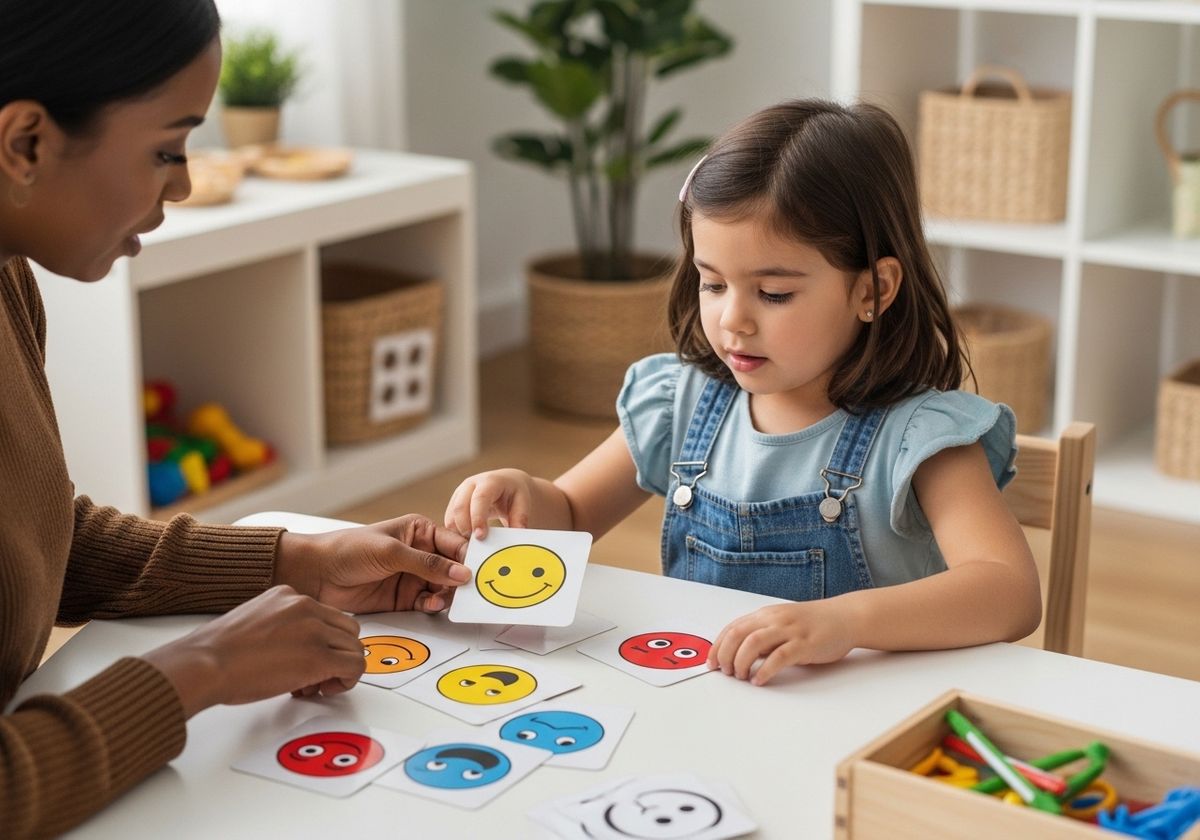
Fostering social-emotional growth in children is essential for their overall well-being and future success. By nurturing these skills early on, we equip them with the tools they need to navigate relationships, manage emotions, and make responsible decisions.

Understanding Social-Emotional Development
Social-emotional development refers to a child's ability to understand and manage their emotions, build healthy relationships, and feel empathy for others. It's a gradual process that begins in infancy and continues throughout childhood. Key components include self-awareness, self-regulation, social awareness, relationship skills, and responsible decision-making.
The Importance of Early Intervention
Early childhood is a critical period for social-emotional learning. Children who develop strong social-emotional skills are more likely to succeed in school, form positive relationships, and cope with stress. Conversely, children who struggle with these skills may face challenges such as behavioral problems, difficulty making friends, and mental health issues.
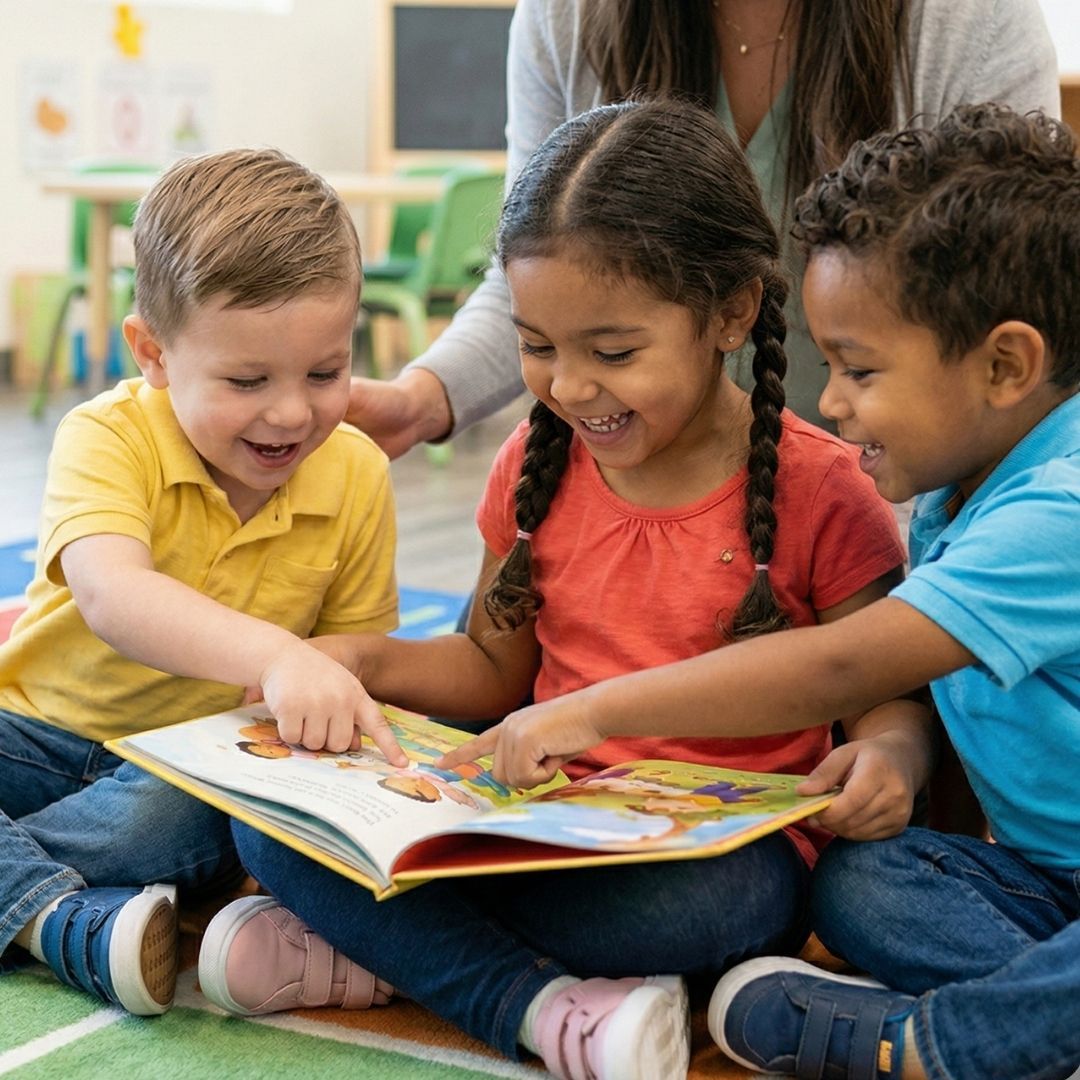
Practical Strategies for Parents and Educators
Create a Supportive Environment: Nurture a safe and accepting environment where children feel comfortable expressing their emotions.
Model Healthy Behavior: Children learn by observing the adults around them. Demonstrate empathy, respect, and effective communication skills.
Teach Emotional Literacy: Help children identify and label their emotions. Use books, games, and activities to expand their emotional vocabulary.
Encourage Problem-Solving: Guide children through conflict resolution and problem-solving. Help them brainstorm solutions and consider the consequences of their actions.
Promote Empathy: Encourage children to consider the perspectives of others. Discuss how their actions might affect those around them.
The Role of Play
Play is a powerful tool for social-emotional learning. Through play, children learn to cooperate, negotiate, and resolve conflicts. It also allows them to explore different roles and emotions in a safe and supportive environment. Activities such as dramatic play, board games, and outdoor play can all contribute to social-emotional growth.
Supporting social-emotional growth in children is an investment in their future. By providing them with the tools they need to manage their emotions and build healthy relationships, we empower them to thrive in all aspects of their lives. At A New Generation Child Care, we understand the importance of these skills. We dedicate ourselves to providing exceptional care and building lasting relationships with families, ensuring happy childhoods. Contact us today to learn more about our daycare and childcare programs and how we can support your child's development. Or, check out our website to see the A New Generation difference!