
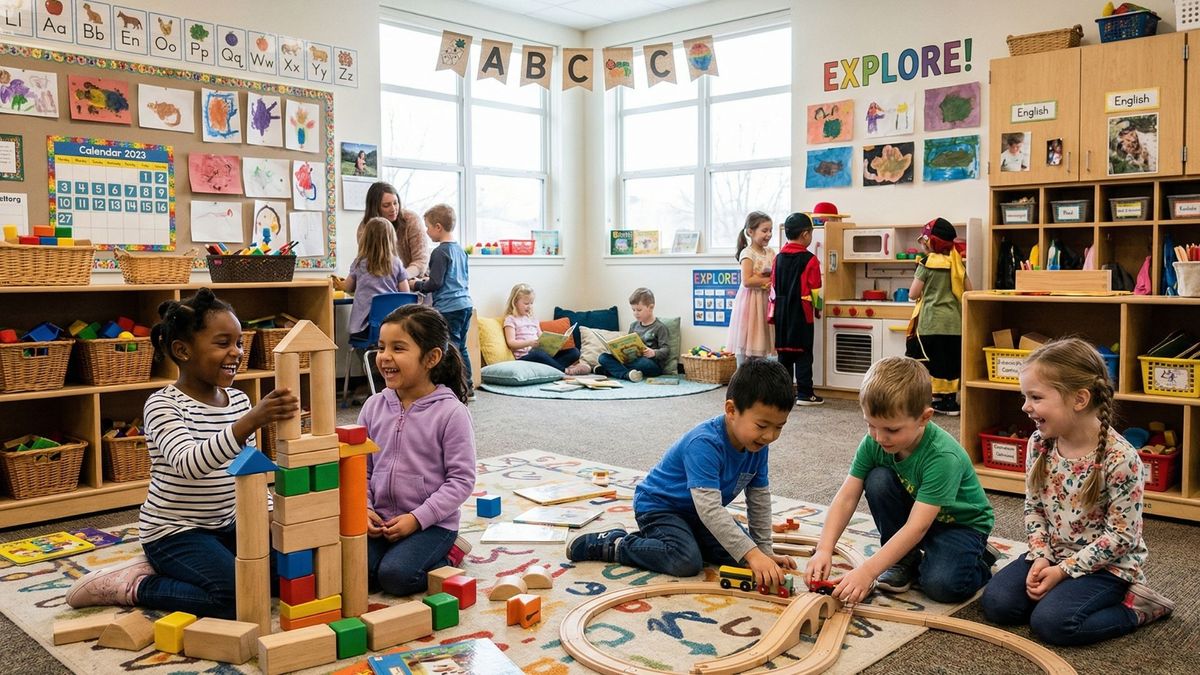
Play-based learning is a cornerstone of early childhood education, fostering independence, creativity, and social skills in young children. Through carefully designed activities and environments, children are empowered to explore, experiment, and discover the world around them at their own pace. This approach not only makes learning enjoyable but also lays a strong foundation for future academic success and personal growth.
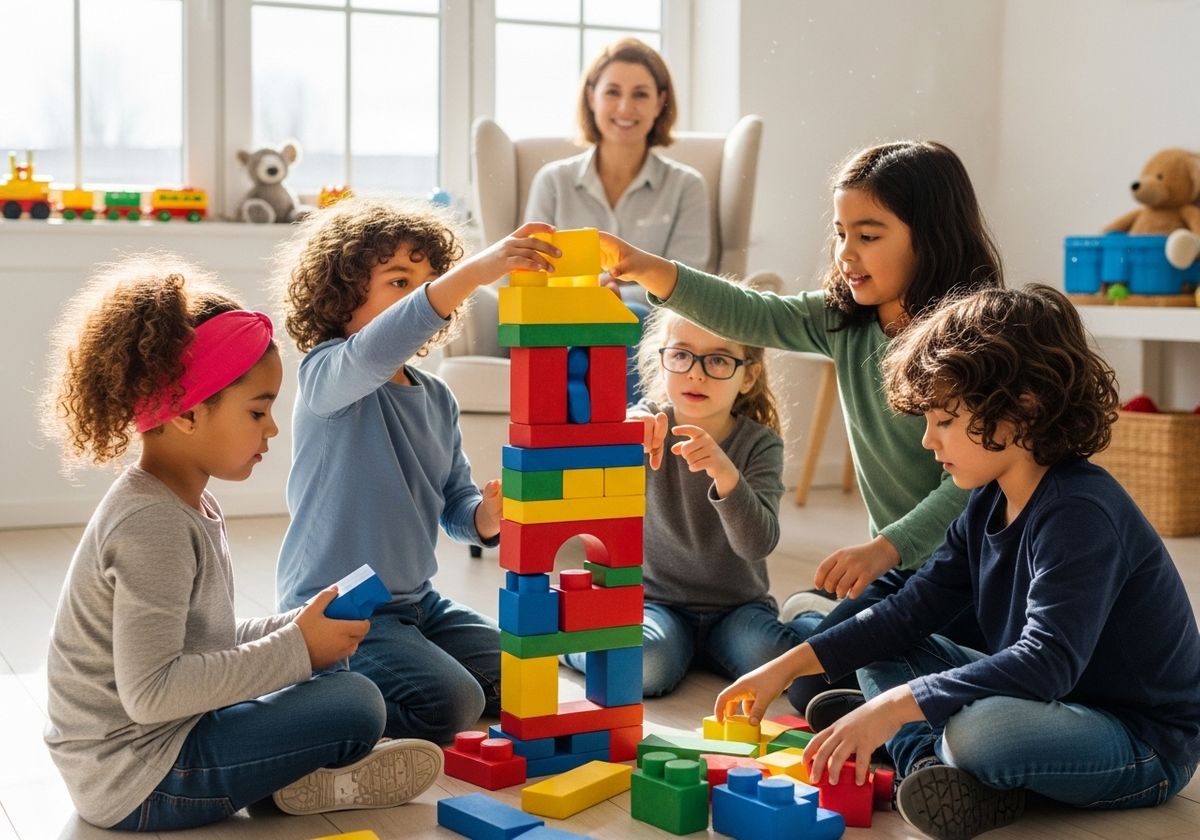
The Power of Play in Childcare
Play is often seen as just a fun activity, but it is a critical component of a child's development. It allows children to develop problem-solving skills, learn how to work in groups, and understand different perspectives. In a play-based daycare setting, children engage in activities that encourage them to make choices, take initiative, and solve problems independently. This can include anything from building blocks and dramatic play to outdoor games and art projects.
Creating an Environment for Independent Exploration
To effectively nurture independence, the environment must be thoughtfully designed to support children's natural curiosity and desire to explore. This means providing a variety of open-ended materials that can be used in multiple ways, such as blocks, art supplies, and natural materials. It also means creating spaces where children feel safe to take risks and make mistakes without fear of judgment. Educators play a crucial role in this process by observing children's play, asking open-ended questions, and providing support when needed, without taking over or directing the play.

Benefits of Independence in Early Childhood
Nurturing independence through play-based learning has numerous benefits for young children. It fosters self-confidence, resilience, and a sense of agency. Children who are given opportunities to make choices and solve problems on their own are more likely to develop a positive self-image and a belief in their abilities. These skills are essential for success in school and in life, as they enable children to take initiative, persevere through challenges, and adapt to new situations.
Fostering Social-Emotional Growth
Play-based learning also plays a significant role in fostering social-emotional development. Through play, children learn how to negotiate, compromise, and cooperate with others. They develop empathy and learn to understand different perspectives. In a childcare setting, these skills are particularly important as children learn to navigate social situations and build relationships with their peers. By creating a supportive and inclusive environment, educators can help children develop the social-emotional skills they need to thrive.
In conclusion, play-based learning is a powerful tool for nurturing independence and fostering holistic development in young children. By providing children with opportunities to explore, experiment, and discover at their own pace, we can help them develop the skills and confidence they need to succeed in school and in life. At A New Generation Child Care, we understand the importance of play in early childhood education. We are dedicated to providing exceptional care and building lasting relationships with families, ensuring happy childhoods for all the children we serve. Contact us today to learn more about our programs and how we can support your child's growth and development, or visit our website to explore our offerings!