

Curiosity is the engine of learning in early childhood, driving children to explore, discover, and understand the world around them. Nurturing this innate curiosity is essential for their cognitive, social, and emotional development, laying the foundation for lifelong learning and success. By creating environments and experiences that encourage exploration and questioning, parents and educators can help children develop a love for learning that will stay with them forever.
Creating a Curious Environment
To foster curiosity, it's important to create an environment that feels safe and stimulating. This involves:
Encouraging Exploration: Provide children with opportunities to explore their surroundings freely. This could be as simple as letting them play in the backyard, visit a local park, or explore a new room in the house. Ensure the environment is safe, but resist the urge to over-direct their play.
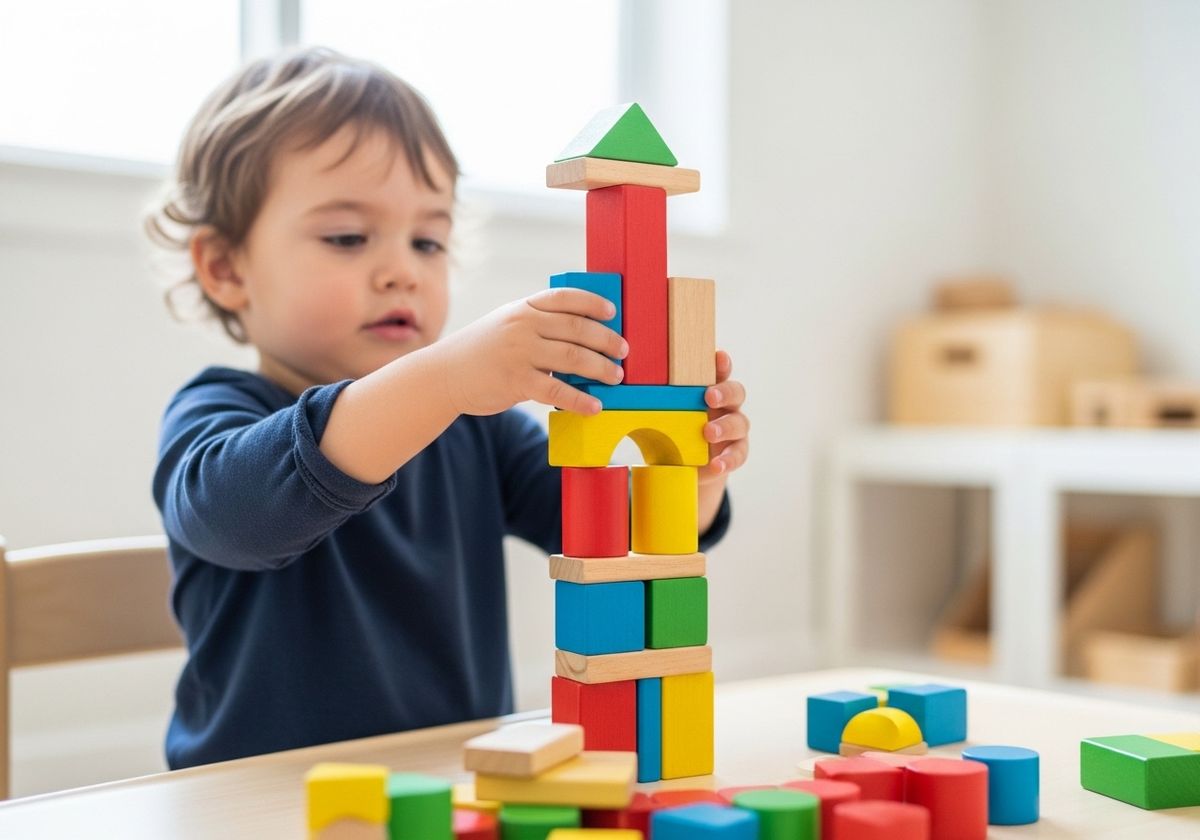
Providing Open-Ended Materials: Offer toys and materials that can be used in multiple ways, such as blocks, art supplies, and natural objects. These types of materials encourage creativity and problem-solving as children figure out how to use them.
Asking Open-Ended Questions: Instead of asking questions with simple yes or no answers, ask questions that require children to think and explain their reasoning. For example, "What do you think will happen if...?" or "Why do you think that is happening?"
Activities to Spark Curiosity
There are countless activities that can spark curiosity in young children. Here are a few ideas:
Science Experiments: Simple science experiments, like making a volcano or growing a plant, can be a great way to introduce children to scientific concepts and encourage them to ask questions.
Nature Walks: Take children on nature walks and encourage them to observe the plants, animals, and other natural features they see. Ask them questions about what they notice and encourage them to collect interesting items to examine more closely.
Story Time: Reading books together can expose children to new ideas and perspectives. Choose books that are thought-provoking and encourage discussion.
The Role of Childcare and Daycare
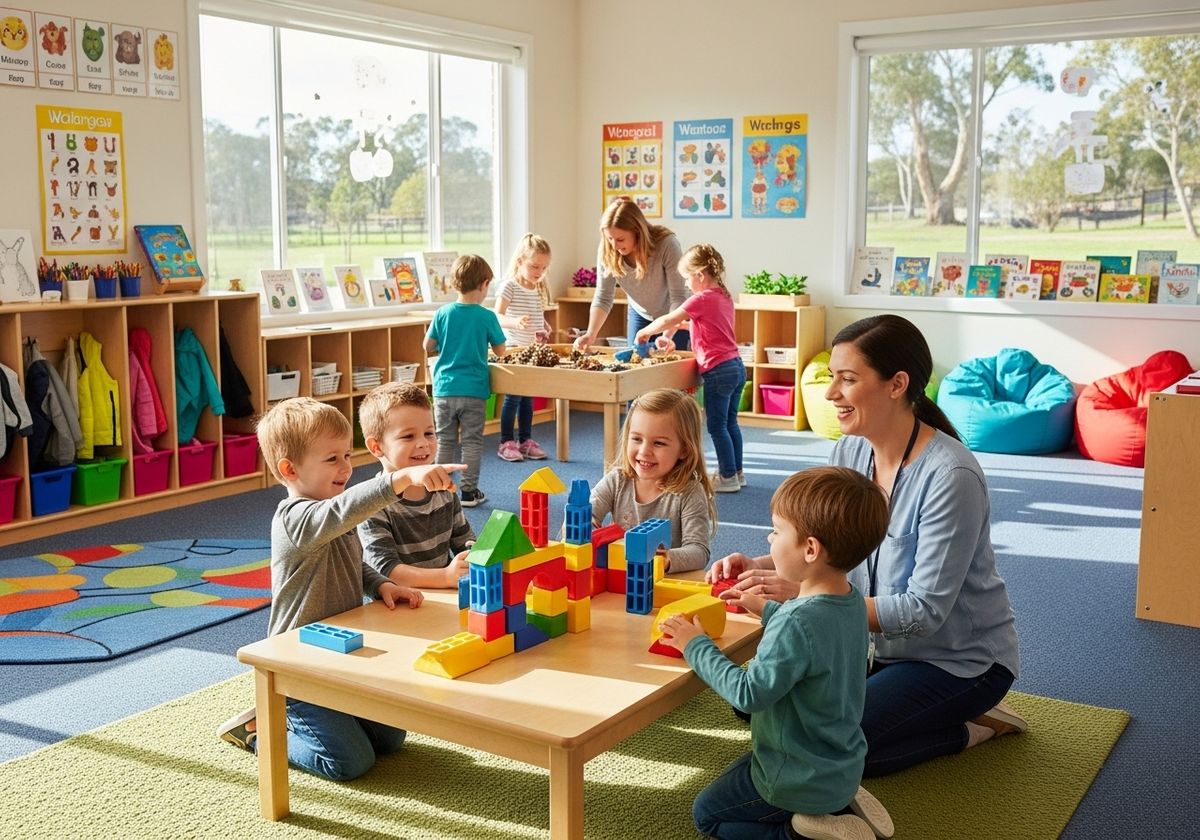
High-quality childcare and daycare centers play a vital role in fostering curiosity. These environments can offer:
Structured Learning: Thoughtfully designed activities that spark curiosity and exploration.
Social Interaction: Opportunities to learn from peers and develop social skills.
Experienced Educators: Professionals trained to nurture curiosity and guide children's learning.
Fostering curiosity in early childhood is a gift that lasts a lifetime. By creating environments and experiences that encourage exploration and questioning, we can help children develop a love for learning that will serve them well throughout their lives. At A New Generation Child Care, we understand the importance of nurturing curiosity and providing a stimulating environment where children can thrive. Our programs are designed to foster independence, social-emotional development, and school readiness through hands-on learning and play-based activities. Contact us today to learn more about how we can help your child develop a lifelong love of learning, and explore our website to discover the various programs we offer!