Fostering social-emotional skills in early childhood is essential for children's overall development and future success. These skills enable children to understand and manage their emotions, build positive relationships, and navigate social situations effectively. By focusing on these key areas, parents and educators can help children develop into well-rounded, empathetic, and resilient individuals. This blog post will explore the importance of social-emotional learning and provide practical strategies to nurture these crucial skills in young children.
Understanding Social-Emotional Development
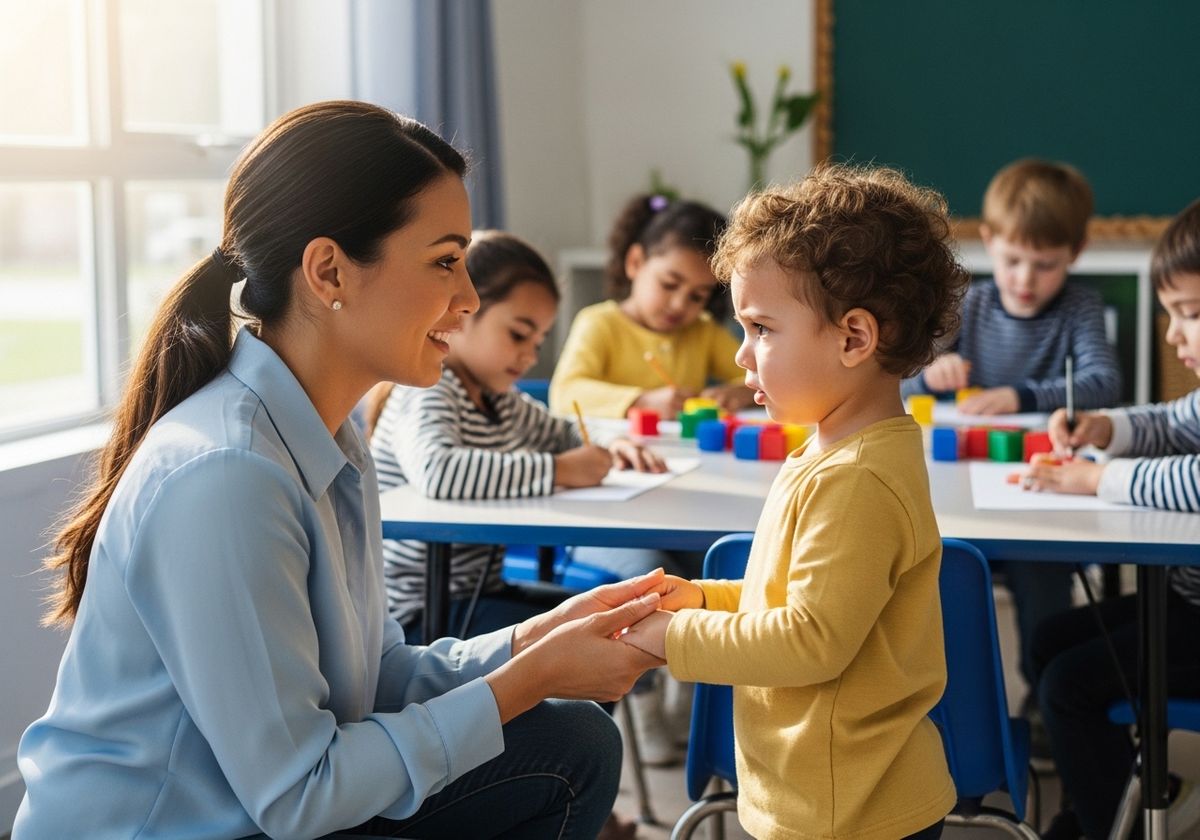
Social-emotional development encompasses several key areas, including self-awareness, self-regulation, social awareness, relationship skills, and responsible decision-making. Self-awareness involves recognizing one's emotions and understanding how they impact behavior. Self-regulation is the ability to manage emotions and impulses effectively. Social awareness includes empathy and understanding the perspectives of others. Relationship skills involve building and maintaining healthy relationships. Responsible decision-making is the ability to make ethical and constructive choices.
The Importance of Social-Emotional Learning (SEL)
Social-emotional learning (SEL) is crucial for children's academic, social, and emotional well-being. Research shows that children with strong social-emotional skills perform better academically, have fewer behavioral problems, and experience greater life satisfaction. SEL also promotes positive mental health and reduces the risk of anxiety and depression. By investing in SEL, we equip children with the tools they need to thrive in school, at home, and in their communities. Furthermore, focusing on social-emotional skills in daycare and childcare settings ensures that children develop crucial skills early on, setting a strong foundation for their future.
Practical Strategies for Nurturing Social-Emotional Skills
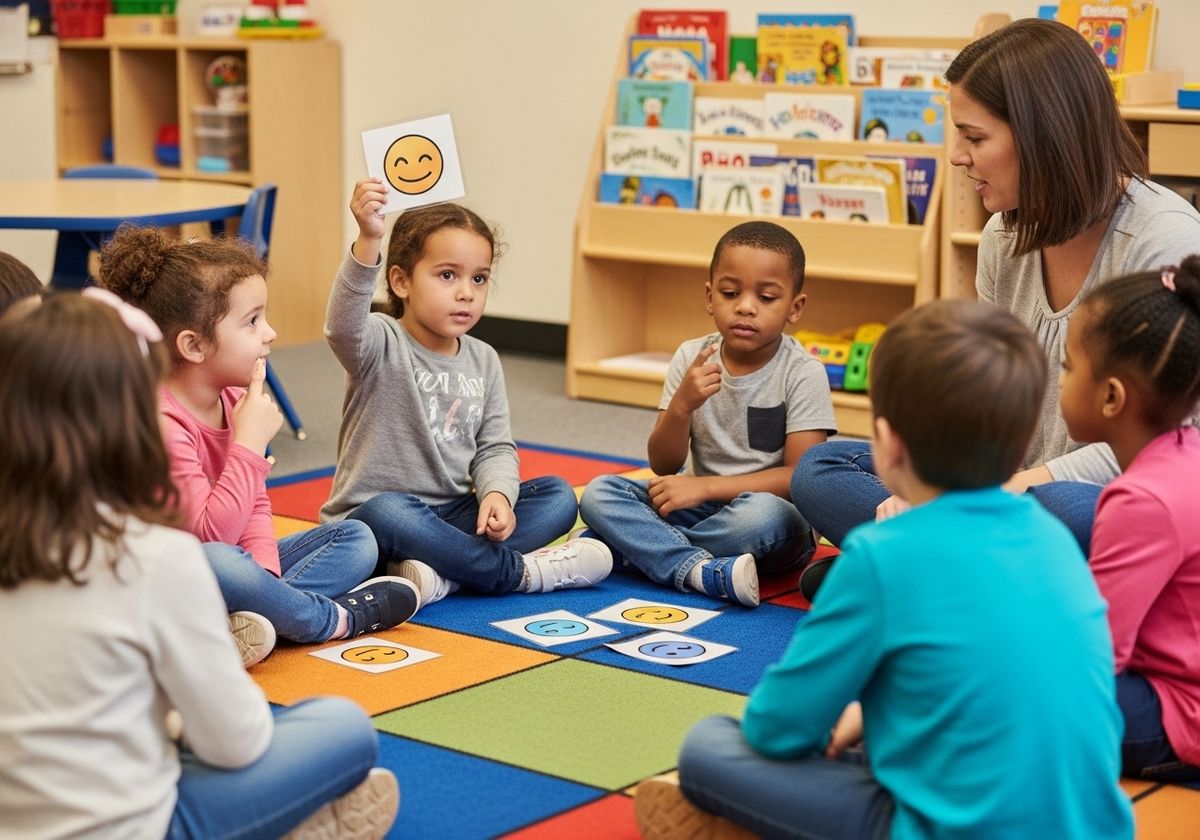
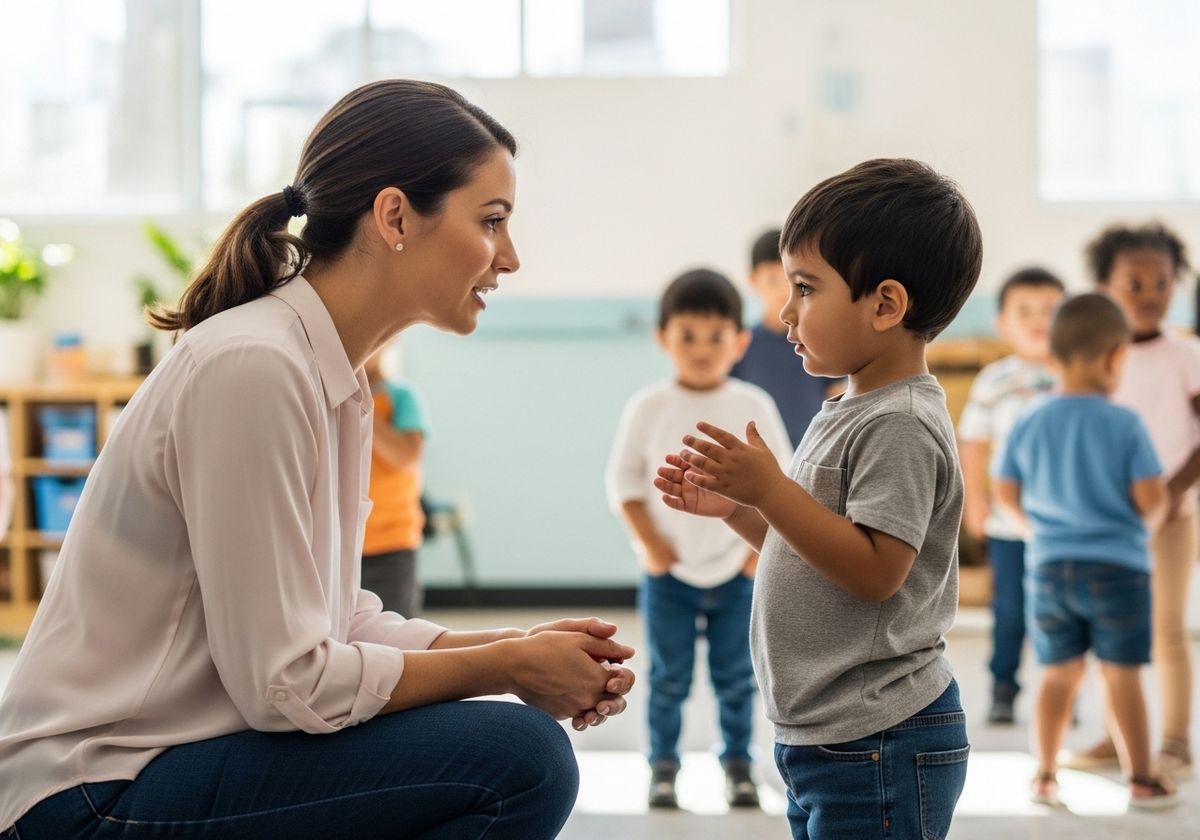
There are many effective strategies that parents and educators can use to nurture social-emotional skills in young children. One approach is to create a supportive and responsive environment where children feel safe to express their emotions. This involves actively listening to children, validating their feelings, and providing comfort and reassurance when needed. Another strategy is to teach children how to identify and label their emotions. This can be done through books, games, and activities that help children recognize different emotions and understand what triggers them. Additionally, modeling positive social behaviors, such as empathy, kindness, and cooperation, can have a powerful impact on children's social-emotional development. Encouraging children to practice problem-solving skills, conflict resolution, and communication is also essential for building strong relationships and navigating social situations effectively.
Creating a Supportive Environment at Home and in Childcare
To effectively foster social-emotional skills, it's important to create a consistent and supportive environment both at home and in childcare settings. Parents can work closely with teachers and caregivers to reinforce social-emotional learning strategies and ensure that children receive consistent messages and expectations. This collaborative approach can help children develop a strong sense of security and belonging, which is essential for their social-emotional well-being. Regularly engaging in activities that promote social-emotional growth, such as group play, storytelling, and cooperative projects, can further enhance children's skills and create a positive and nurturing environment.
In conclusion, building social-emotional skills in early childhood is a critical investment in children's future success and well-being. By understanding the key components of social-emotional development and implementing practical strategies to nurture these skills, parents and educators can help children develop into confident, empathetic, and resilient individuals. At A New Generation Child Care, we understand the importance of these skills. Ensuring Happy Childhoods by providing exceptional care and building lasting relationships with families is our commitment. Contact us today to learn more about our programs and how we can support your child's social-emotional growth, or visit our website to discover the nurturing and stimulating environment we offer, where children can grow and explore safely.